

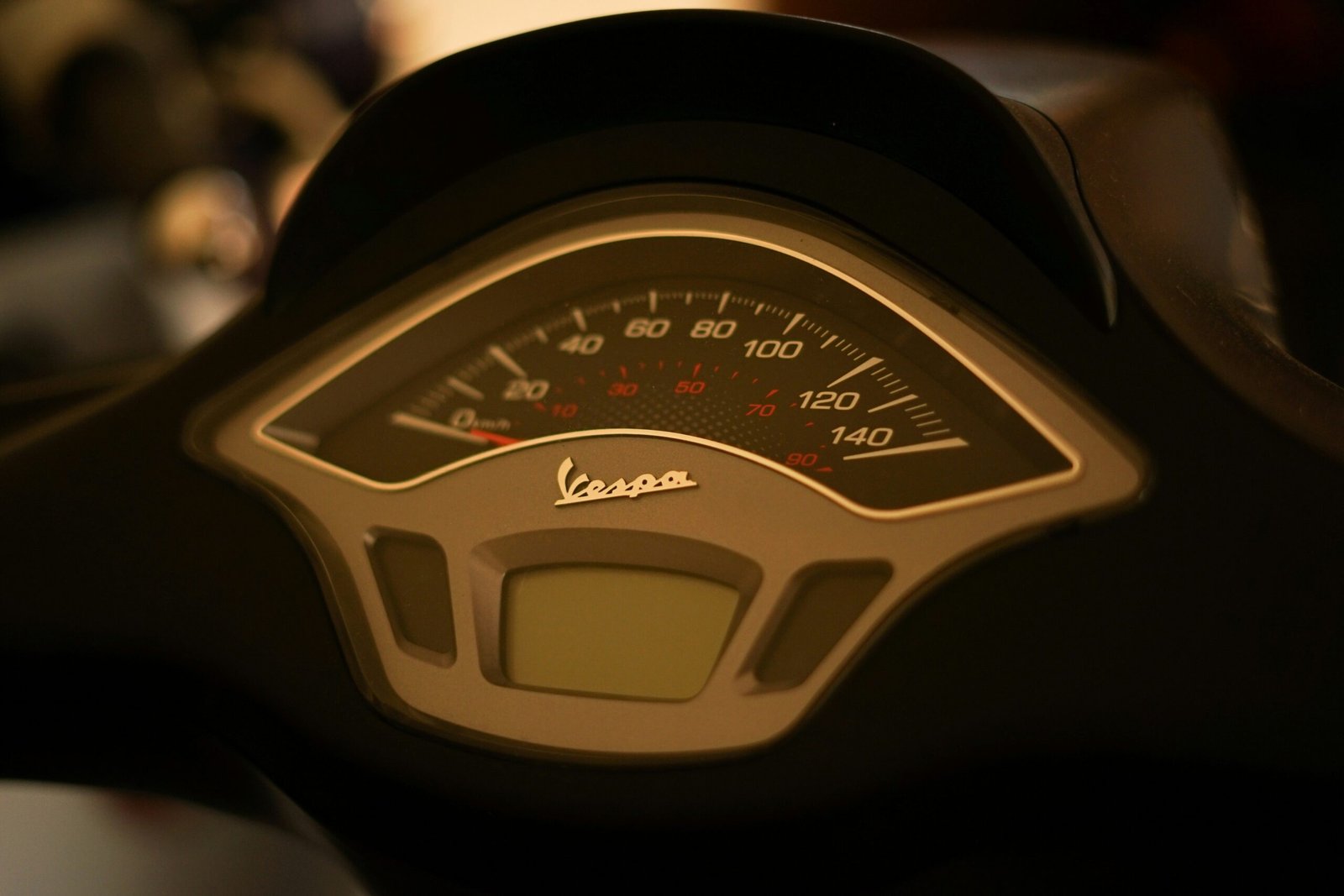
The scooter wars in India are about to get a whole lot more interesting. Piaggio Group has officially confirmed it is launching an all-new commuter scooter range in India in the first half of 2027 — and the target is crystal clear: the Honda Activa and TVS Jupiter segment. Yes, that segment. The one that moves millions of units every single year and defines daily urban mobility for most of the country.
This isn’t a leaked roadmap or dealer gossip. The confirmation came directly from Diego Graffi, Chairman and Managing Director of Piaggio India — so you know this is locked in. Piaggio has been present in India for decades through Vespa and Aprilia scooters, but those have always played in the premium space. This new commuter range is a completely different game plan — it’s a direct assault on mass-market territory where volume, value, and reliability rule everything.
The 100-125cc commuter scooter space in India is absolutely brutal. Honda’s Activa is practically a national institution, and TVS Jupiter has carved out serious ground with its comfort-first approach. Suzuki Access, Yamaha Fascino, Honda Dio — they’re all scrapping it out for the same buyer. For Piaggio to walk into this arena, they need to bring something genuinely compelling, not just a badge swap.
The good news? Piaggio knows how to engineer scooters. Their European DNA, combined with whatever localisation they bake in for Indian roads, could produce something that genuinely punches above its price point. Fuel efficiency, ride quality on broken tarmac, storage space, and after-sales support — those are the four pillars that win this segment in India. Get those right, and you have a real fight on your hands.
For the everyday commuter in Delhi, Mumbai, Bengaluru, or any Tier-2 city, more competition at this level is a win. It pushes every brand to sharpen pricing, improve features, and actually listen to what riders want. We’ve already seen Yamaha and TVS step up with better connectivity features and stronger warranties — Piaggio entering the fray will only accelerate that trend.
For the motorcycling community at large, it’s also a signal that global OEMs still see massive opportunity in India’s two-wheeler market despite the EV push. Petrol-powered commuter scooters aren’t going anywhere in a hurry — the infrastructure and economics still heavily favour ICE for daily urban use in most parts of the country.
H1 2027 means we’re still roughly 18 months to two years out. That’s a decent runway, and Piaggio will likely tease this platform well in advance — expect Auto Expo 2026 or a standalone event to be the unveil moment. Pricing will be the make-or-break factor. If they can land between ₹80,000 and ₹1,00,000 on-road with a solid feature set, they’ll turn heads. Go higher than that without a strong reason, and buyers will default back to what they know.
Keep this one on your radar. The Piaggio commuter scooter range could genuinely shake up a segment that’s been running on autopilot for too long.
Source: bikeadvice.in
OTP delivered via WhatsApp · Instant & Secure
Resend in 30s Resend OTP